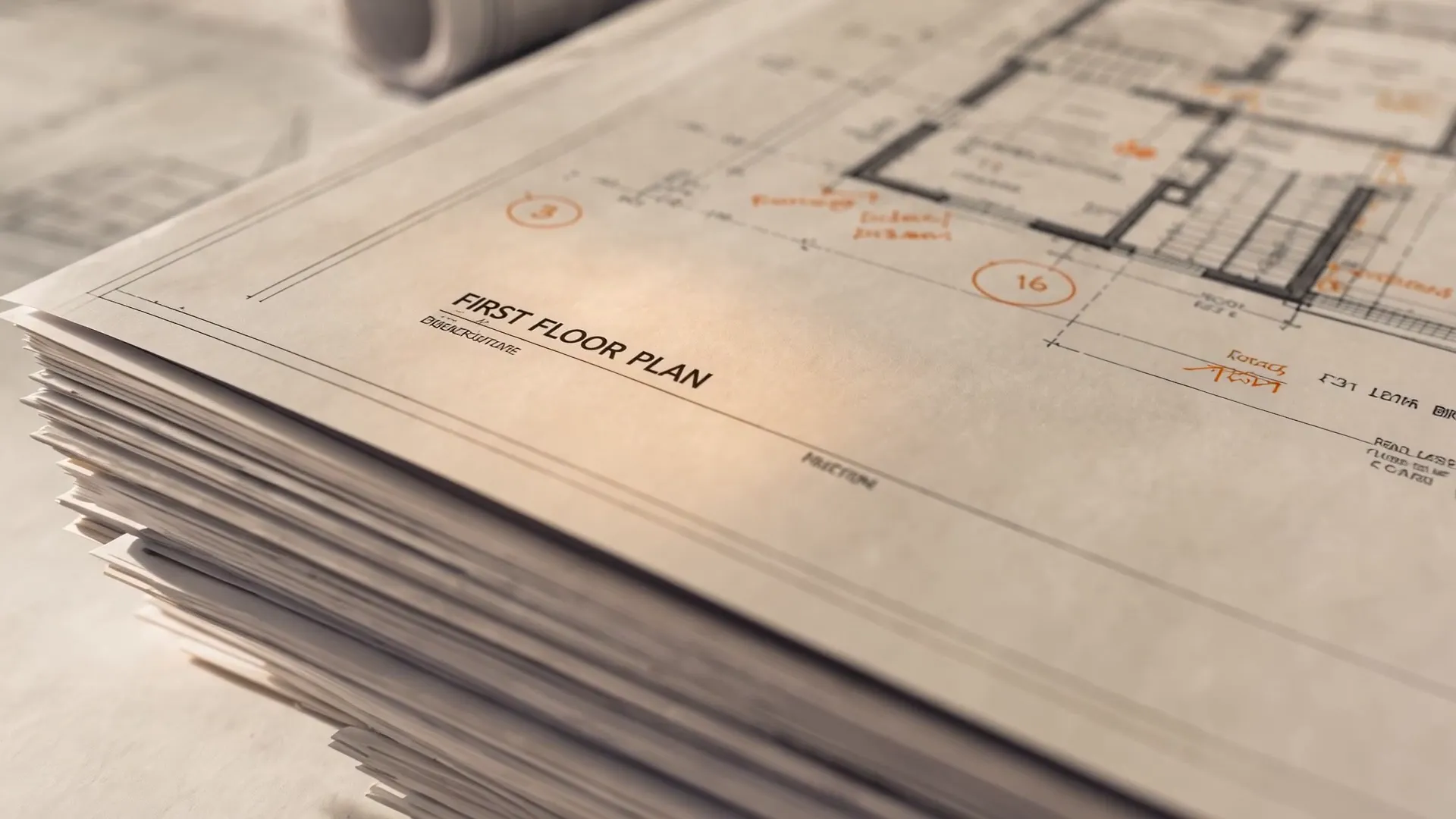

From the documents
to the bid.
Luserne reads the full set your GC sent, every discipline and every sheet, and turns it into verified, room-level quantities with a citation on every line. It is growing into the app that carries those numbers all the way to a finished bid: materials, pricing, reporting, done.
Status: in development · engine proven on real projects
How a thousand sheets become numbers you can defend.
US construction documents are deeply standardized: specs follow CSI MasterFormat, drawings follow national sheet conventions. Luserne is built to those standards, so any commercial set parses the same way.
-
Ingest the whole set
Every discipline, every sheet, indexed and triaged, not sampled. The sheets an estimator never has time to open are exactly where surprises hide.
-
Start from the spec
The spec section defines your trade's scope: product types, manufacturers, materials, options. All of it settled before a single drawing is read.
-
Find where the data hides
Quantities rarely live where you'd guess. On one project the counts were tagged on ceiling plans, not a schedule. Luserne carries a per-trade recipe for where each trade's data actually lives.
-
Count, then challenge the count
An independent verification pass re-counts every sheet from scratch and must agree. Empty rooms come back as verified zeroes. “Typical floors” get validated, never assumed. That habit has already caught real over-counts.
-
Derive what isn't drawn
Real sets have gaps: sizes deferred to field measurement, files that don't match their names. Luserne derives what it can from geometry, flags what it can't, and never quietly guesses.
-
Deliver bid-ready
In hours: quantities, schedules, and an audit trail your GC can check.
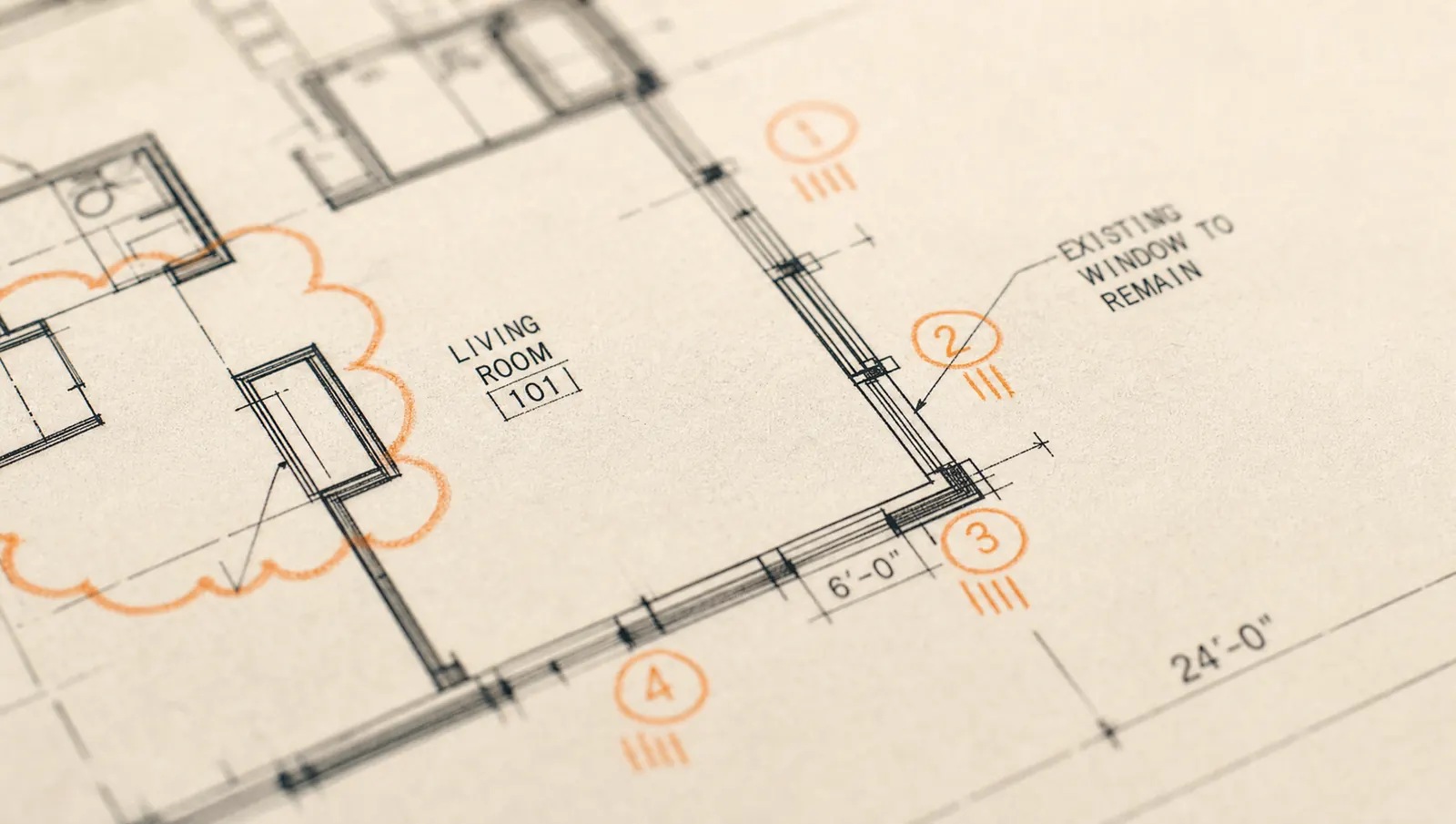
What comes back
- Floor-by-floor, room-by-room schedule: which unit goes where
- Materials & product schedule tied to the spec: manufacturer, model, options
- Derived sizing basis, calculated from building geometry, flagged field-verify
- Client-ready PDF + Excel/CSV: report for the GC, data for your spreadsheet
Verified counted, then independently re-counted
Derived calculated from verified data and stated assumptions
Flagged ambiguous in the documents: raised, never guessed
Takeoffs are the front door.
The bid is the destination.
The engine is real and proven. Luserne the app is what we're building around it: upload a set, get verified quantities, then keep going. Materials priced, proposals assembled, reports generated. The whole path from “the GC sent the set” to “the bid went out,” with a person approving at the points that matter.
- Trade by trade: window treatments proven; doors & hardware, plumbing fixtures, lighting, and casework are next in line
- Reporting: bid histories, win rates, quantity databases that compound in value
- Bid assembly: from quantities and specs to priced, formatted, ready-to-send proposals
AI takeoff software today
Generic measurement tools an estimator sits in, trains, and corrects. The estimator stays the bottleneck.
The Luserne bet
Spec-driven, per-trade, self-verifying, room-level takeoffs with an audit trail, and a pipeline that ends at a finished bid, not a count.
Small and mid-size subs and GCs first: the shops where one estimator caps how many bids go out the door.
Want in
early?
We're piloting on real bids now. You get a verified takeoff and a say in what Luserne becomes; we get the miles.